Chinese On The Train
First published on the Nani WeChat Official Account on March 17, 2021.
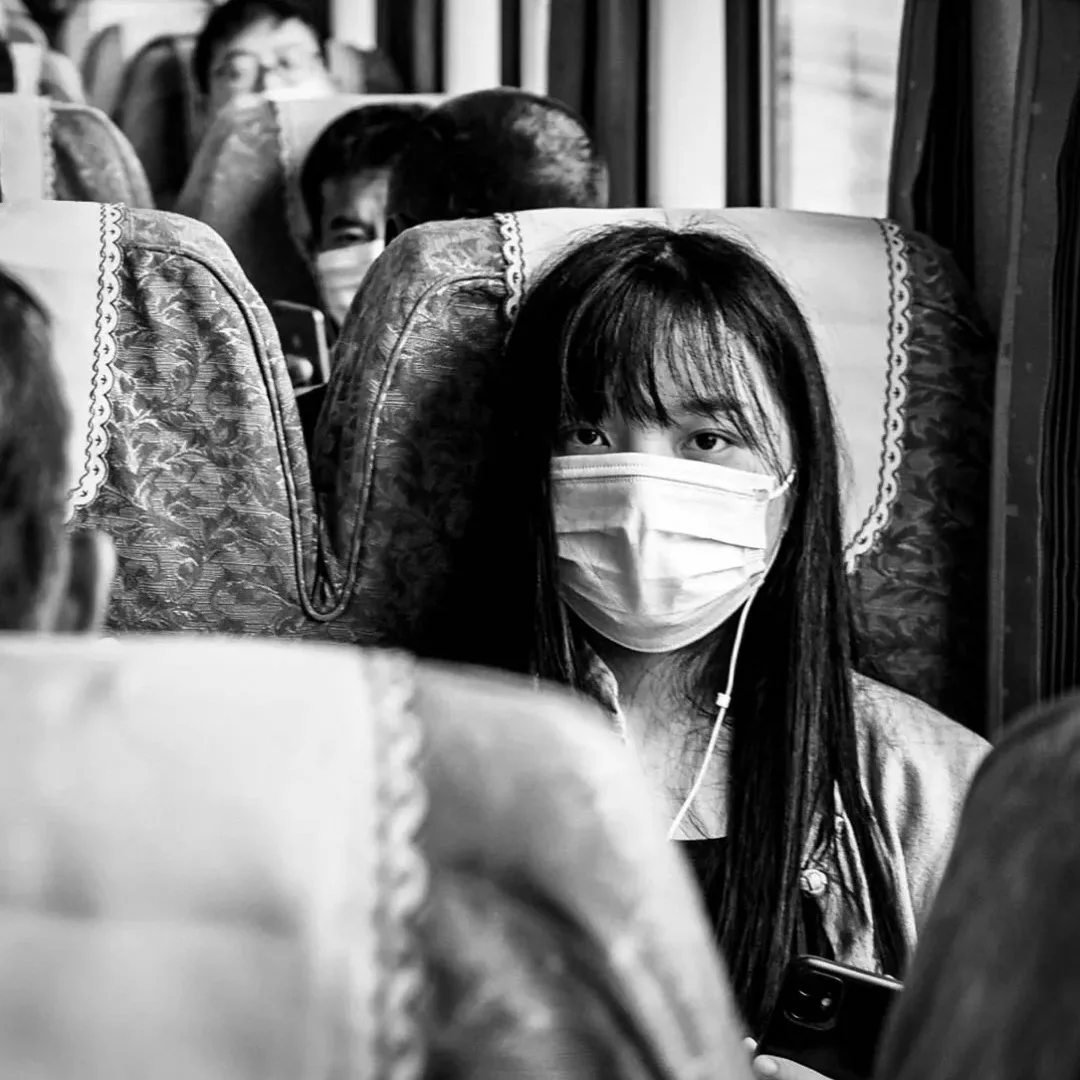
Most little boys love trains. I’m almost forty and I still do.
Back in 2009, before taking a train from Beijing back to Shanghai, I bought Wang Fuchun’s famous photo book “Chinese On The Train” at 798 Art District. At twenty-five, I thought the photographs were vivid and full of life, but I probably didn’t fully understand them yet. Years later, in 2017, while taking a slow train from Shenzhen to Heyuan, I casually shot a few black-and-white images and suddenly realized I had unconsciously stepped into Wang Fuchun’s shadow. Two generations later, the world inside China’s green trains still felt just as alive and complicated.
Since then, whenever time allows, I choose slow trains instead of high-speed rail. Partly because I can’t always afford the faster option, but also because trains still let me observe people closely. Even silence or eye contact can become a kind of conversation there.
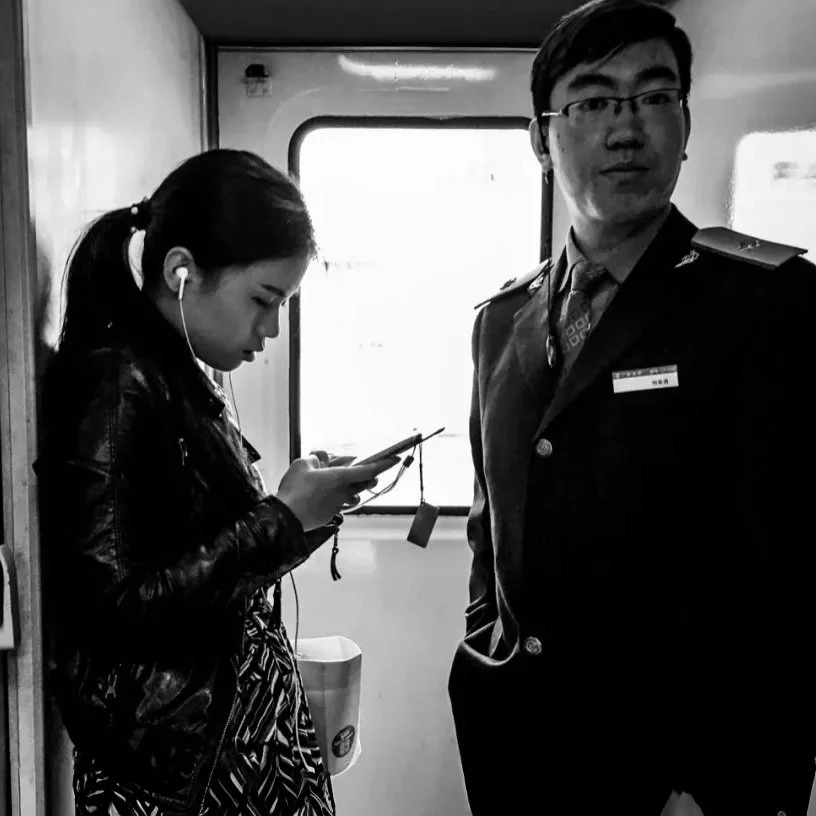
Shenzhen → Heyuan, 2017.03.18 / K34 Shenzhen ⇌ Suzhou
For many middle-class people today, slow trains represent discomfort: crowded seats, bad smells, loud snoring, long journeys. But for me, they still carry something important about older China.
I grew up in the 1980s and 1990s. Privacy was limited. People lived closely together. Public bathhouses, shared courtyards, crowded alleys, overheard conversations, bodies casually existing around one another — all of that shaped my memory of everyday life.
That same feeling still survives on slow trains.
Wang Fuchun photographed that era beautifully. The train itself was never really the subject. What mattered was trust, awkward intimacy, fatigue, boredom, closeness, and the strange temporary relationships formed between strangers sharing the same journey.
This project began partly as a tribute to Wang Fuchun, but also as a way for me to continue observing contemporary China through my own experiences.
Slow trains still exist. And when speed is no longer the priority, trains become one of the best places to imagine other people’s lives.
Sometimes simply listening to nearby conversations is enough to make me enter somebody else’s world for a while.
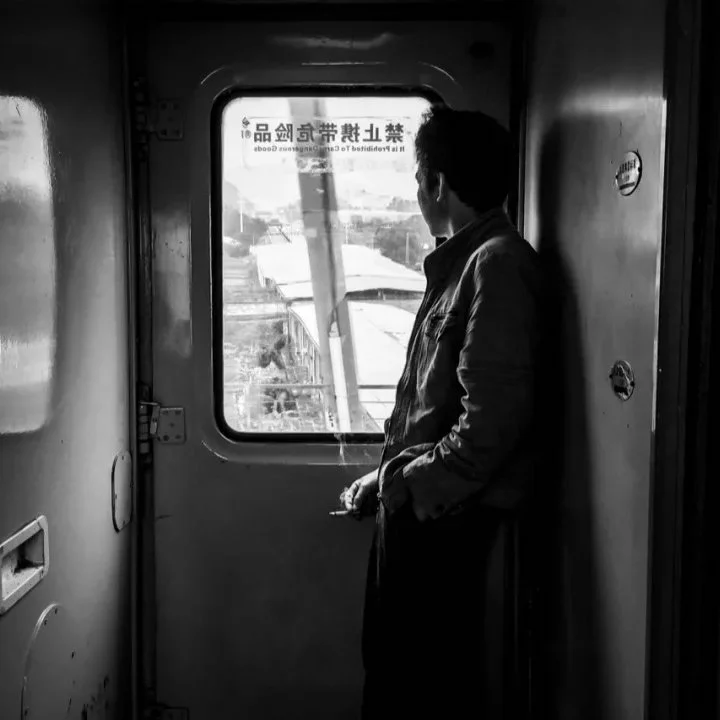
Shenzhen → Heyuan, 2017.03.18 / K34 Shenzhen ⇌ Suzhou
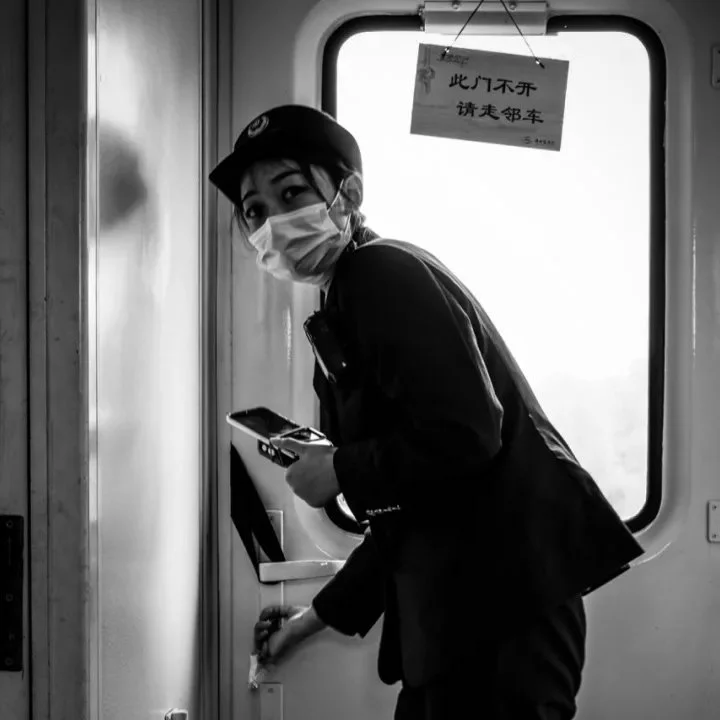
Linyi → Jinan, 2020.10.15 / K8286 Rizhao ⇌ Jinan
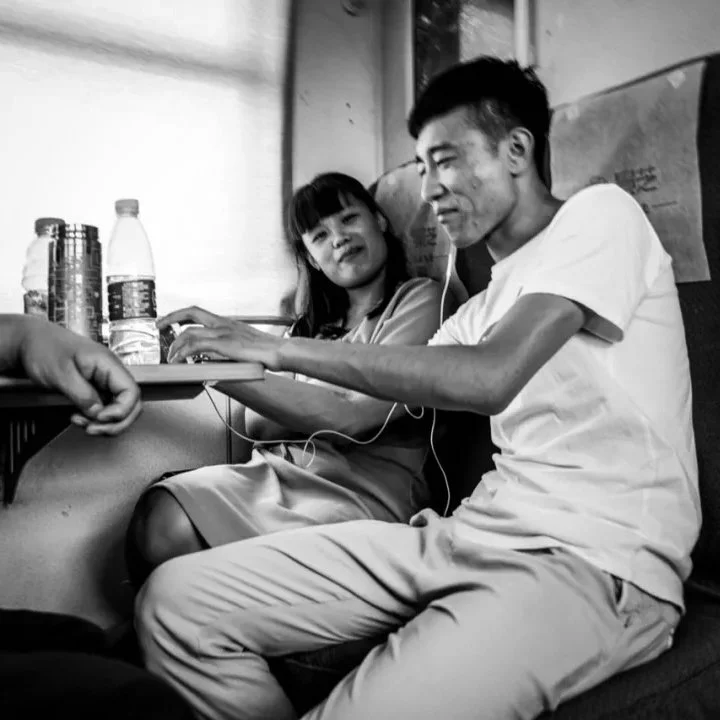
Linyi → Qufu, 2019.07.24 / K631 Rizhao ⇌ Xinyang
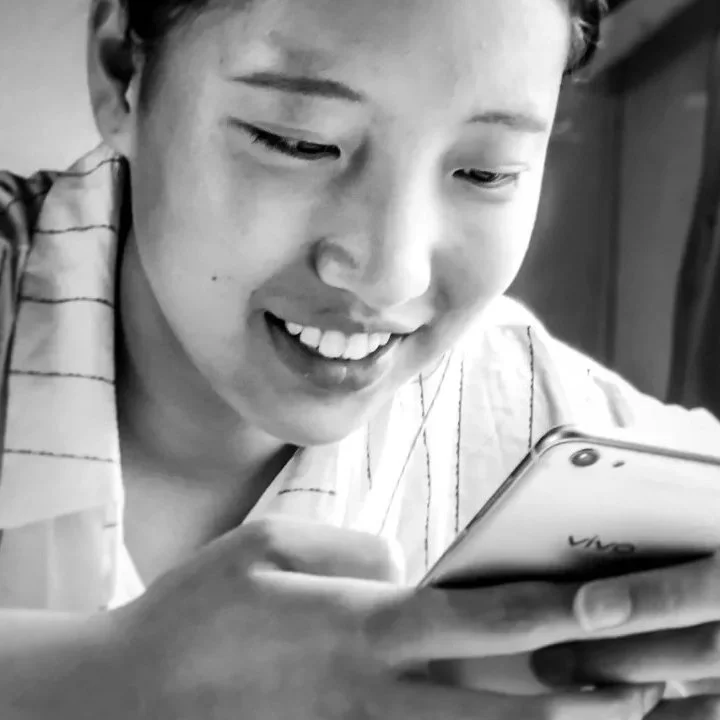
Changsha → Linyi North, 2018.06.14 / K1160 Guangzhou ⇌ Yantai
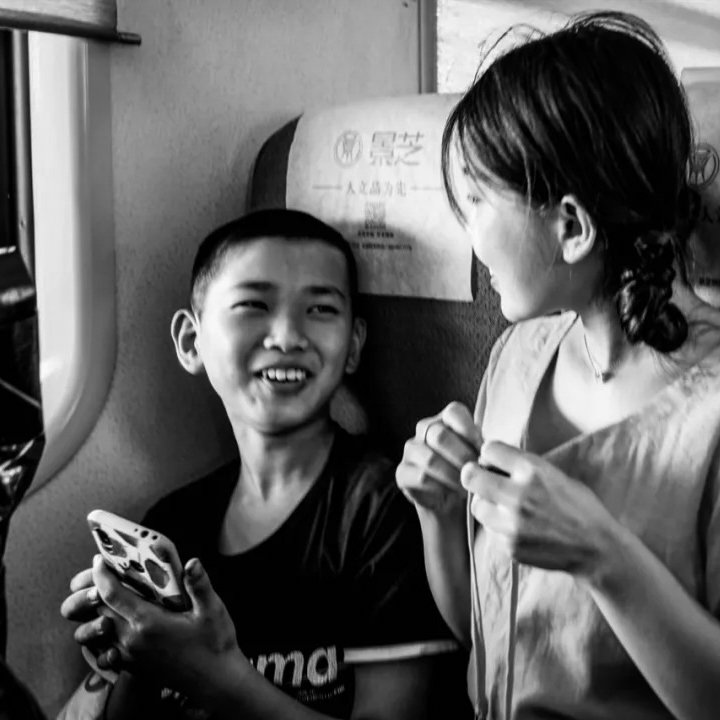
Linyi → Qufu, 2019.07.24 / K631 Rizhao ⇌ Xinyang
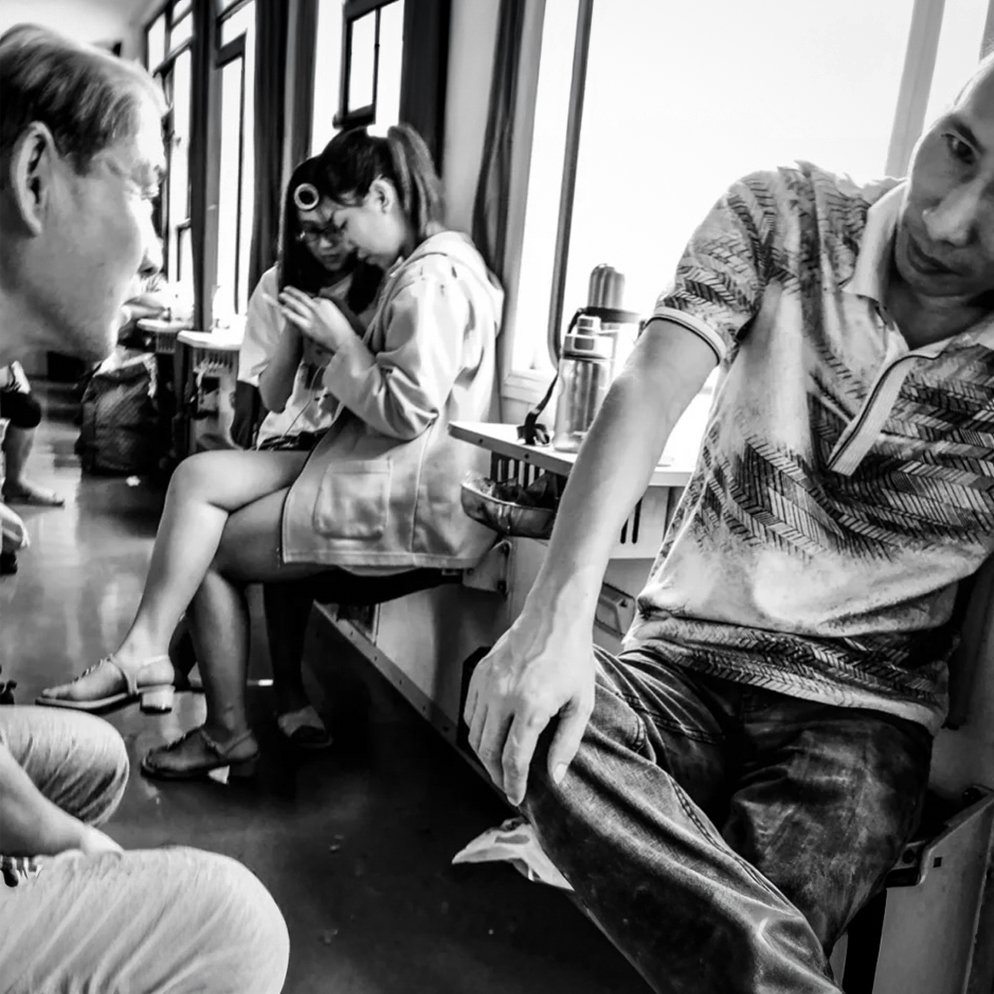
Changsha → Linyi North, 2018.06.14 / K1160 Guangzhou ⇌ Yantai
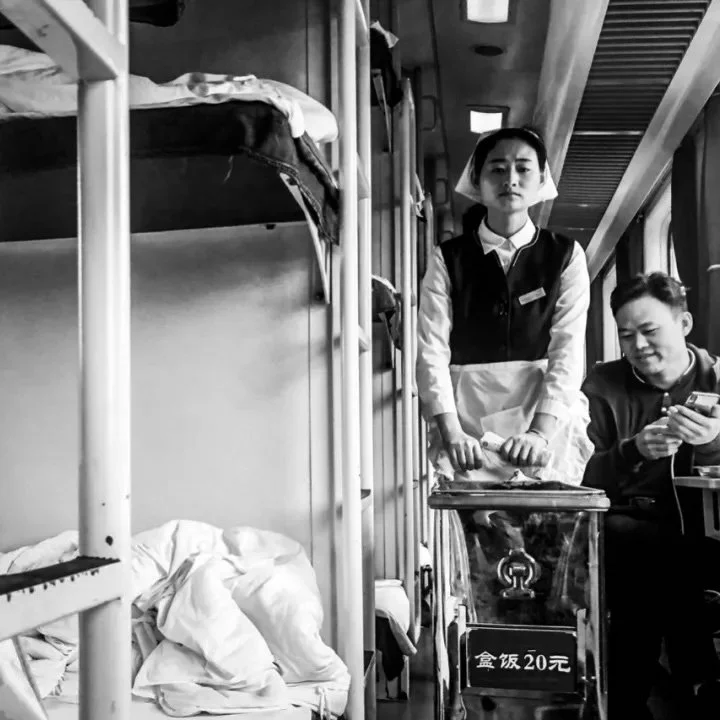
Yangzhou → Shenzhen East, 2019.04.01 / K91 Taizhou ⇌ Shenzhen East
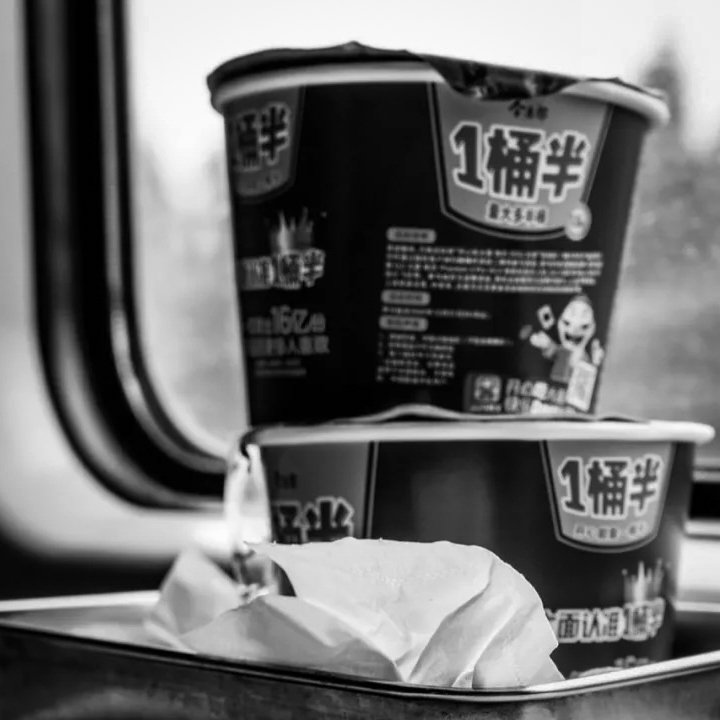
Linyi → Jinan, 2020.10.15 / K8286 Rizhao ⇌ Jinan
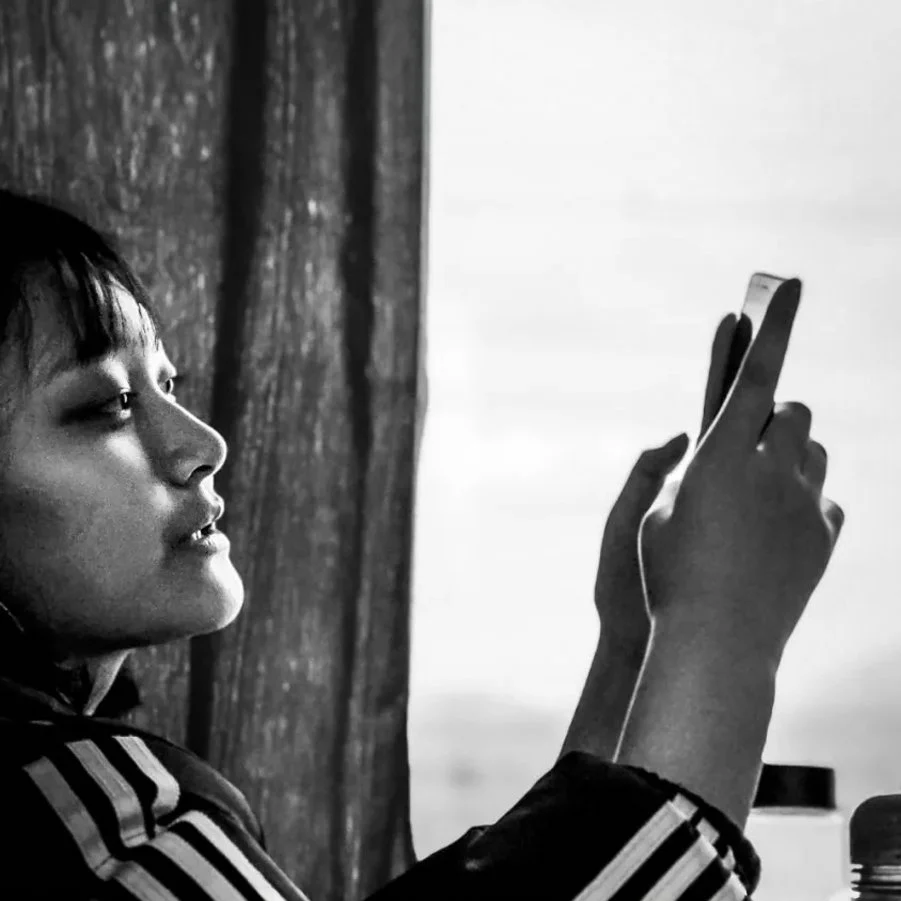
Linyi → Rizhao, 2018.02.18 / K51 Beijing ⇌ Rizhao
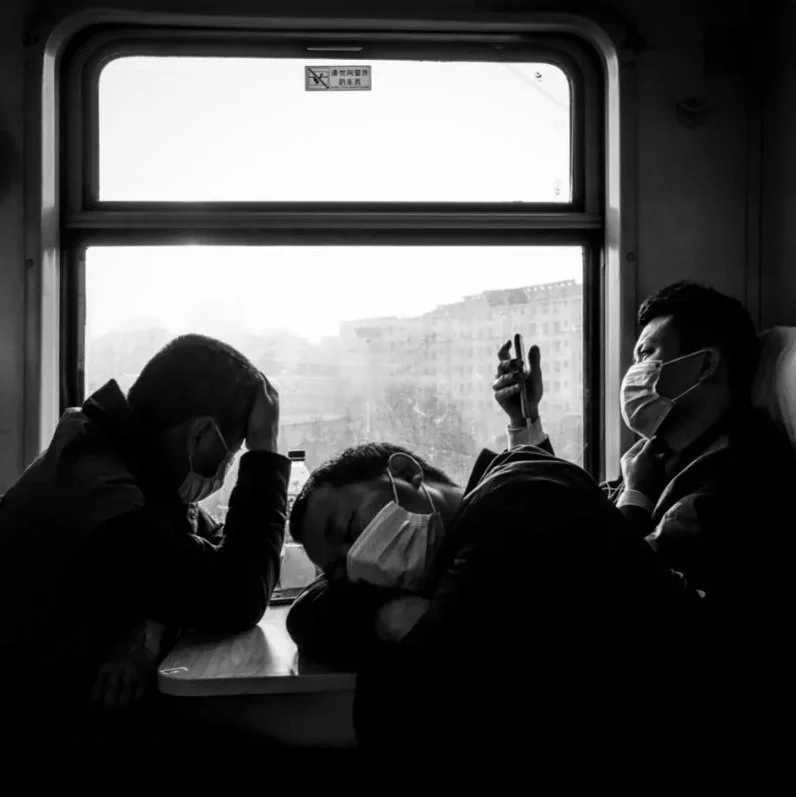
Zaozhuang West → Linyi, 2020.12.03 / K1360 Yantai ⇌ Nanyang
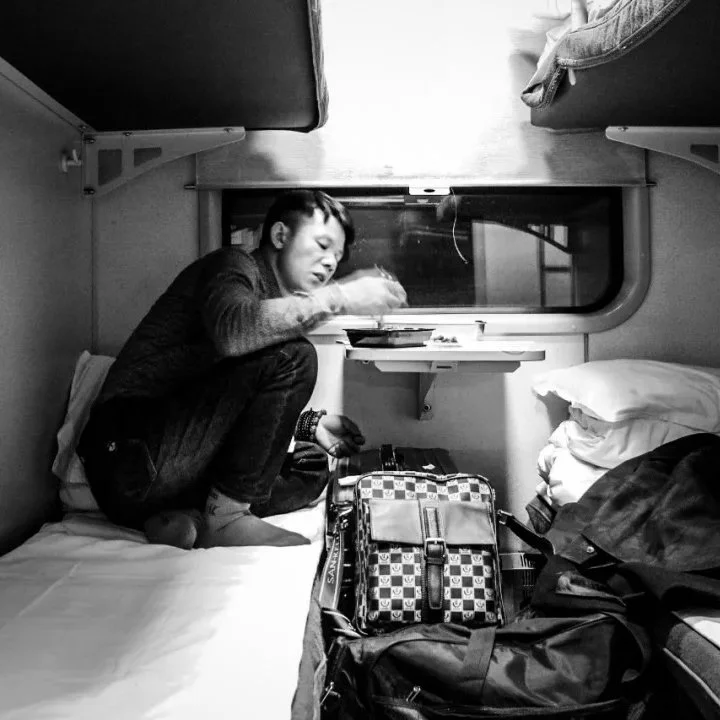
Linyi → Nanjing, 2019.03.12 / K172 Rizhao ⇌ Shanghai
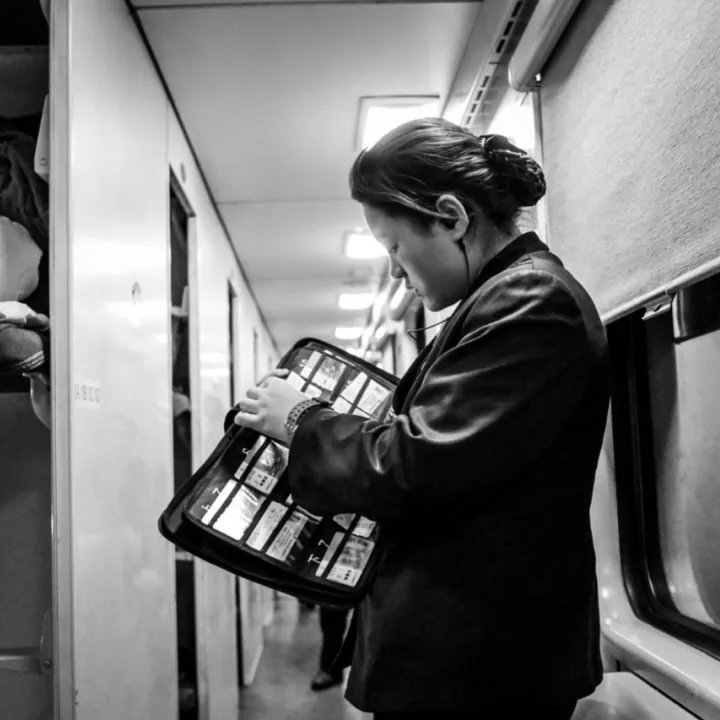
Linyi → Nanjing, 2019.03.12 / K172 Rizhao ⇌ Shanghai
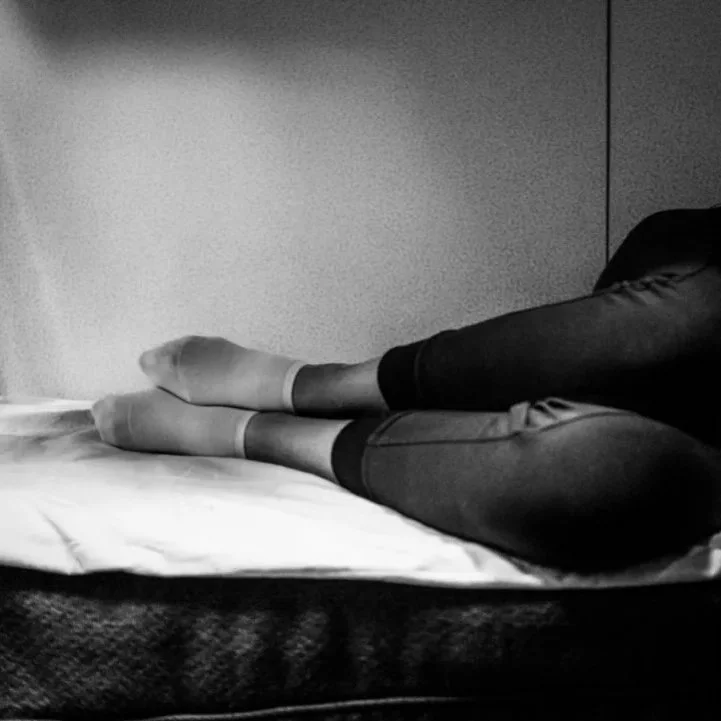
Linyi → Shanghai, 2019.04.14 / K172 Rizhao ⇌ Shanghai
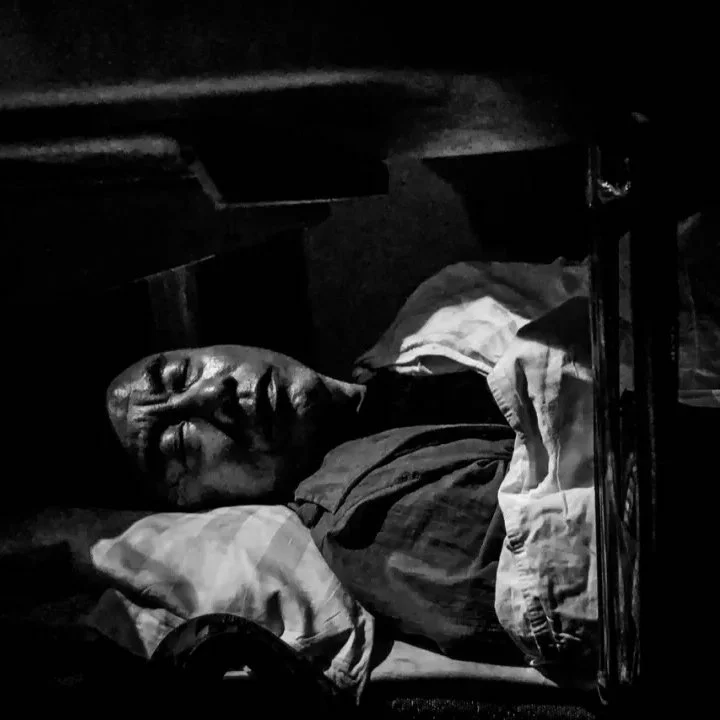
Linyi → Shanghai, 2020.07.28 / K172 Rizhao ⇌ Shanghai
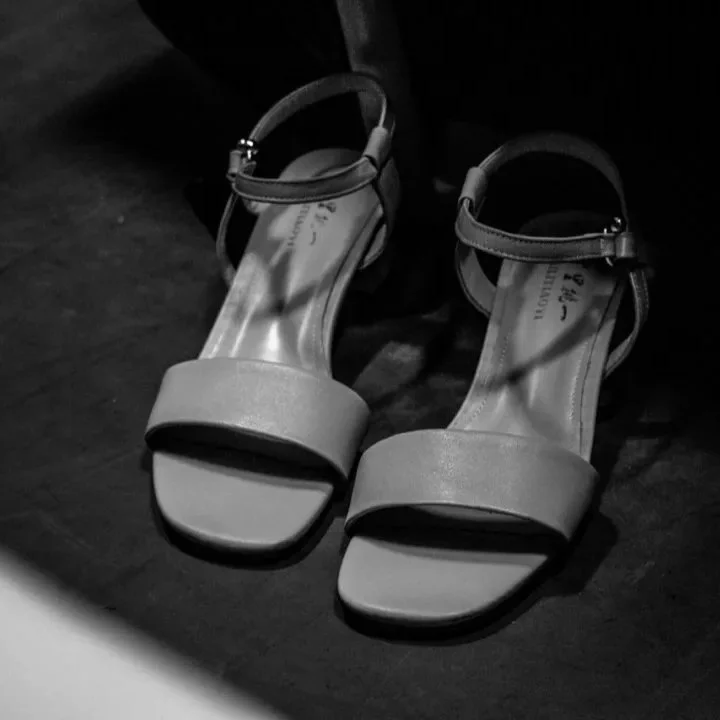
Linyi → Shanghai, 2020.07.28 / K172 Rizhao ⇌ Shanghai
High-speed rail in China feels a bit like modern high-rise apartments. Everyone becomes distant and self-contained. Nobody talks first.
Slow trains are different. They still carry a strong sense of everyday life. The seats are crowded, the speed is slow, people eat instant noodles, sleep awkwardly, argue, flirt, snore, stare outside the window, or casually tell strangers personal stories.
Students returning home during school holidays. Small business people travelling across provinces. Young mothers carrying children. Sales groups. Workers. And me — the strange guy quietly photographing everybody.
The train becomes less about transportation and more about temporarily sharing life with strangers.
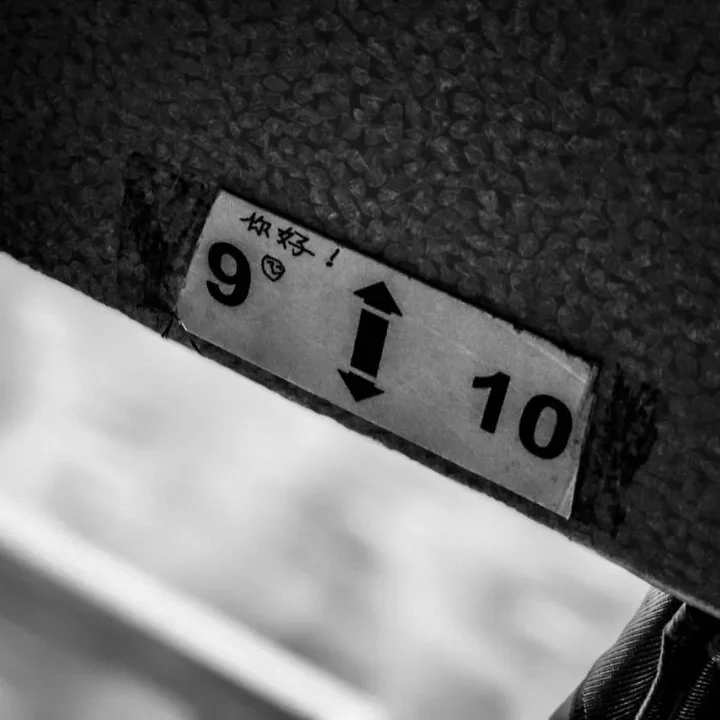
Shenzhen → Changsha, 2018.06.13 / K9018 Shenzhen ⇌ Changsha
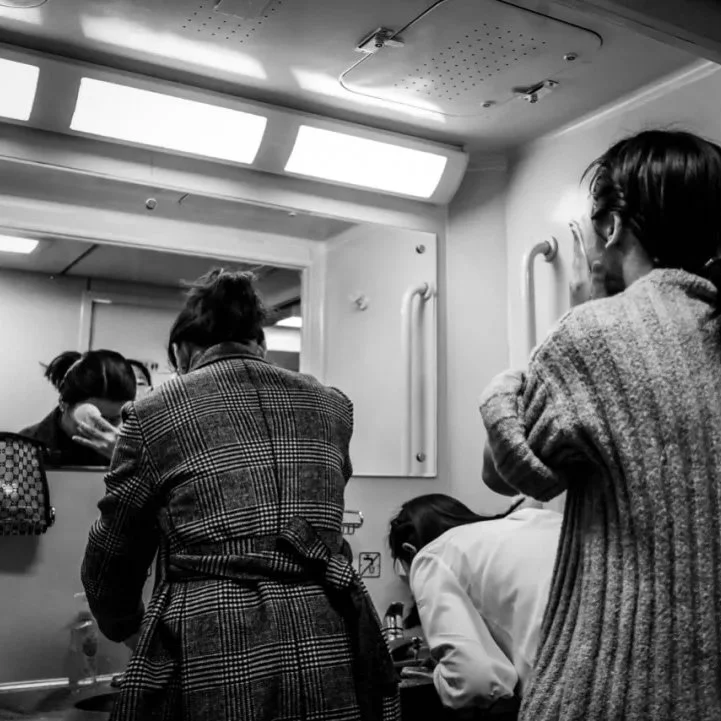
Linyi → Shanghai, 2019.04.14 / K172 Rizhao ⇌ Shanghai
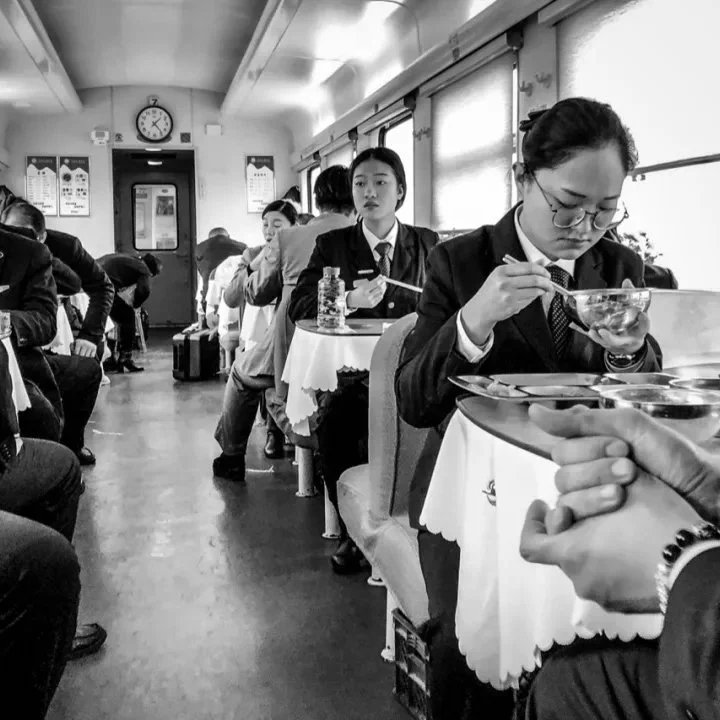
Linyi → Jinan, 2020.01.02 / K8286 Rizhao ⇌ Jinan
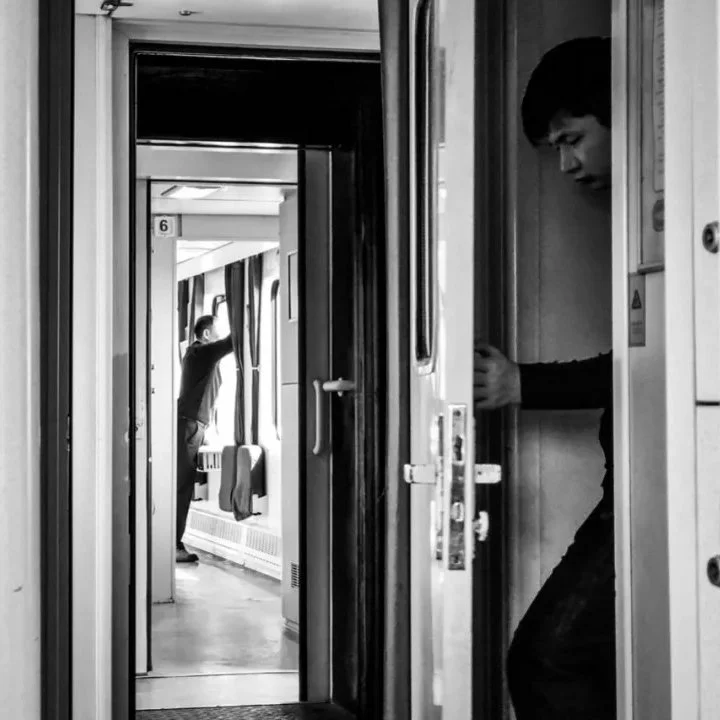
Yangzhou → Shenzhen East, 2019.04.01 / K91 Taizhou ⇌ Shenzhen East
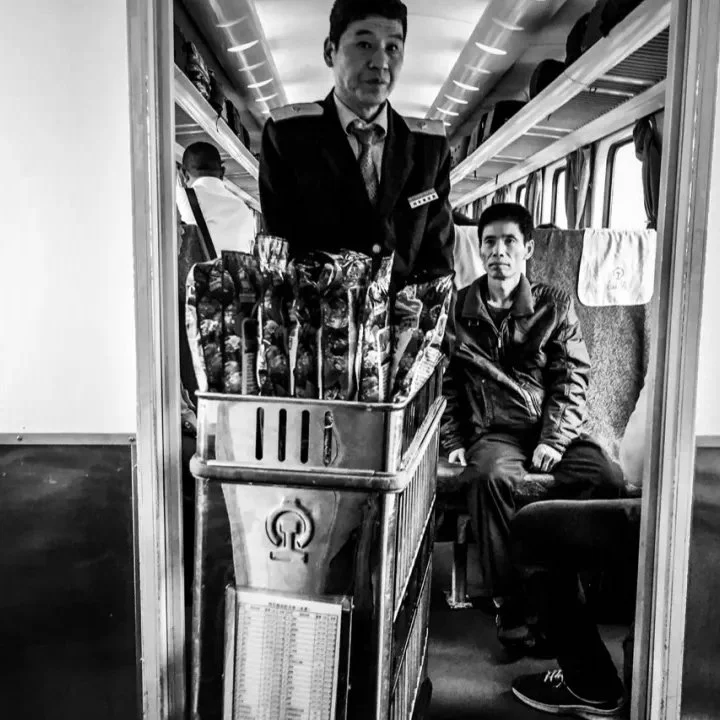
Shenzhen → Heyuan, 2017.03.18 / K34 Shenzhen ⇌ Suzhou
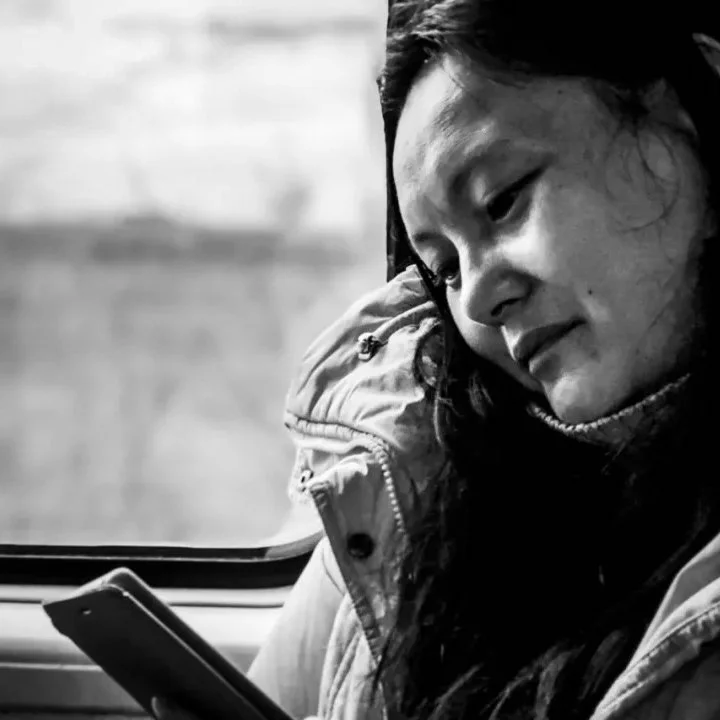
Linyi → Rizhao, 2018.02.18 / K51 Beijing ⇌ Rizhao
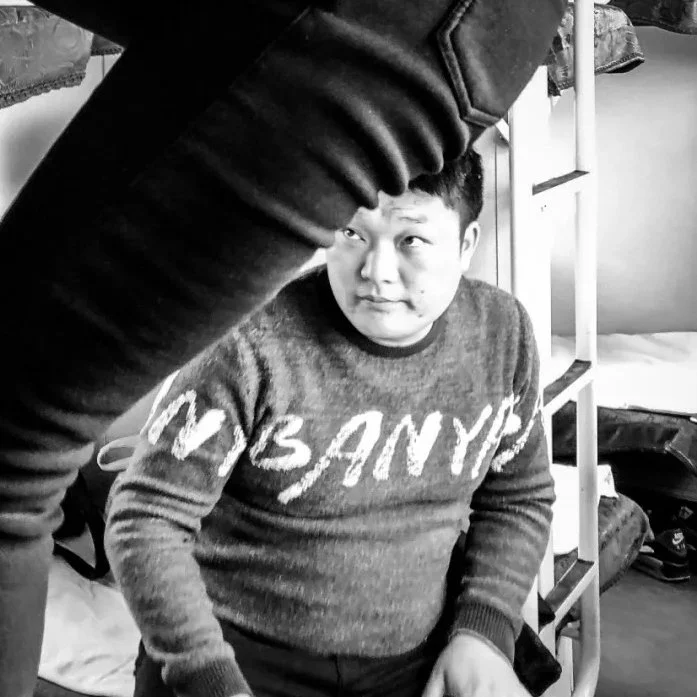
Yangzhou → Shenzhen East, 2019.04.01 / K91 Taizhou ⇌ Shenzhen East
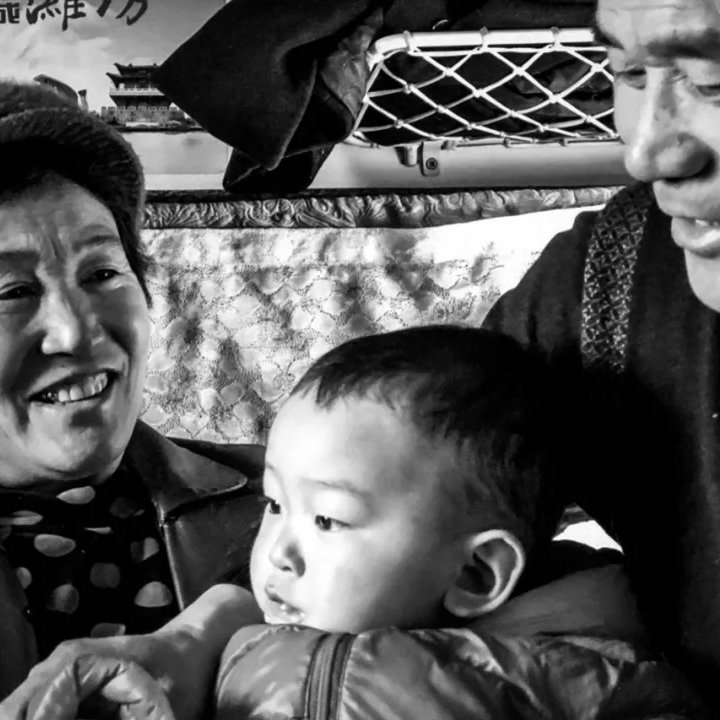
Linyi → Jinan, 2020.01.02 / K8286 Rizhao ⇌ Jinan
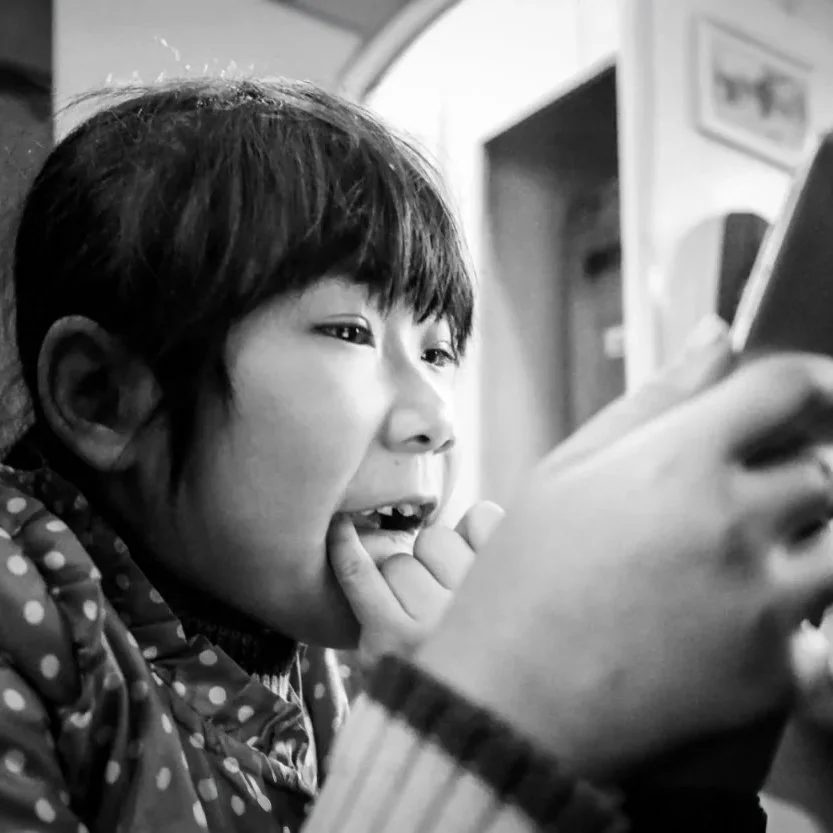
Jinan → Linyi, 2019.01.05 / K8287 Jinan ⇌ Rizhao
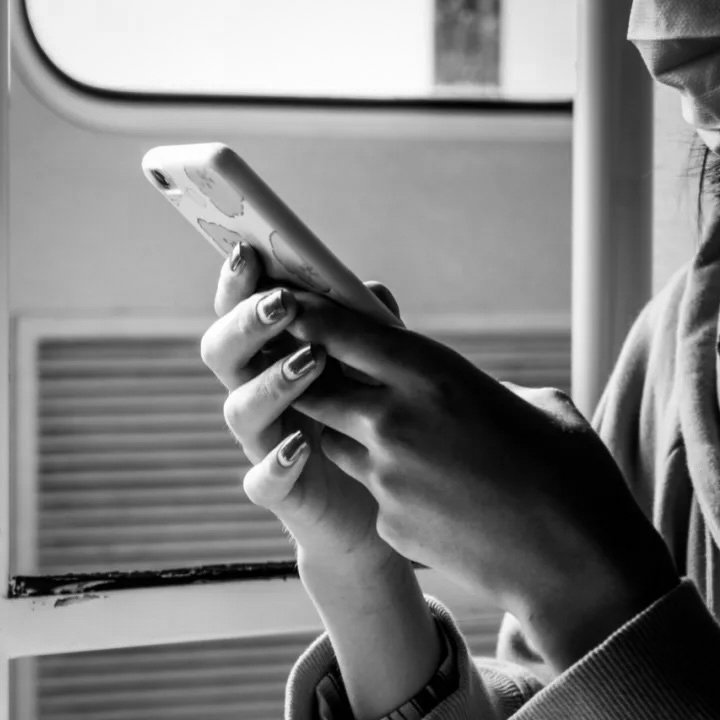
Linyi → Jinan, 2020.10.15 / K8286 Rizhao ⇌ Jinan
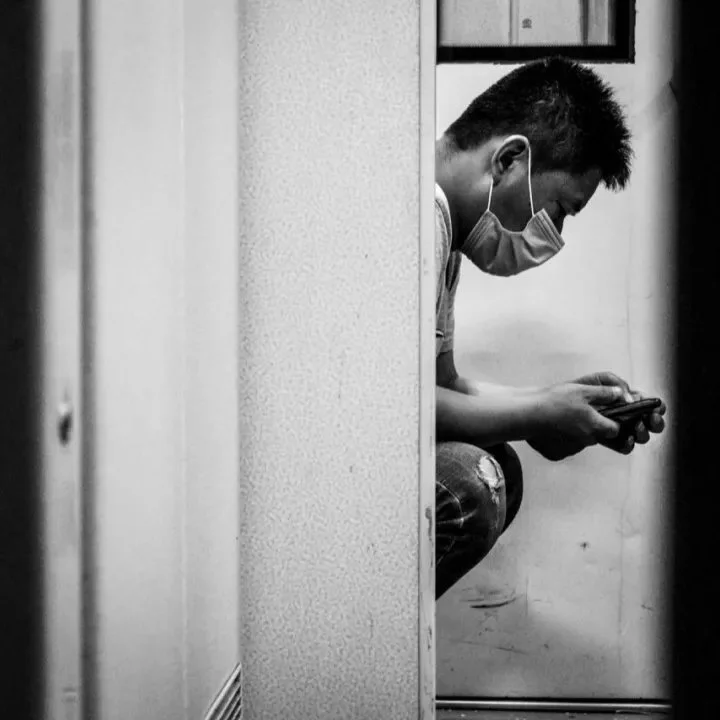
Hangzhou → Wenzhou, 2020.06.29 / K2908 Xi’an ⇌ Wenzhou
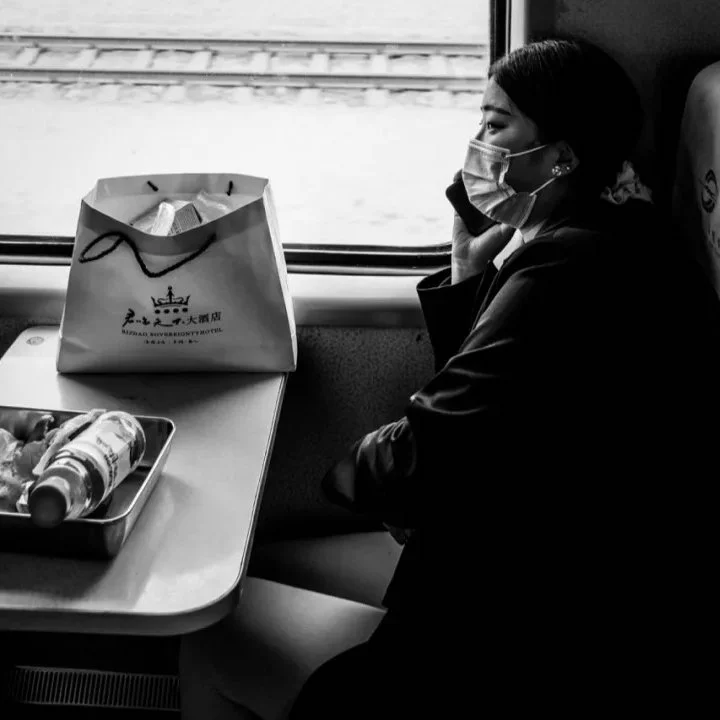
Linyi → Rizhao, 2020.10.25 / K1901 Beijing ⇌ Rizhao
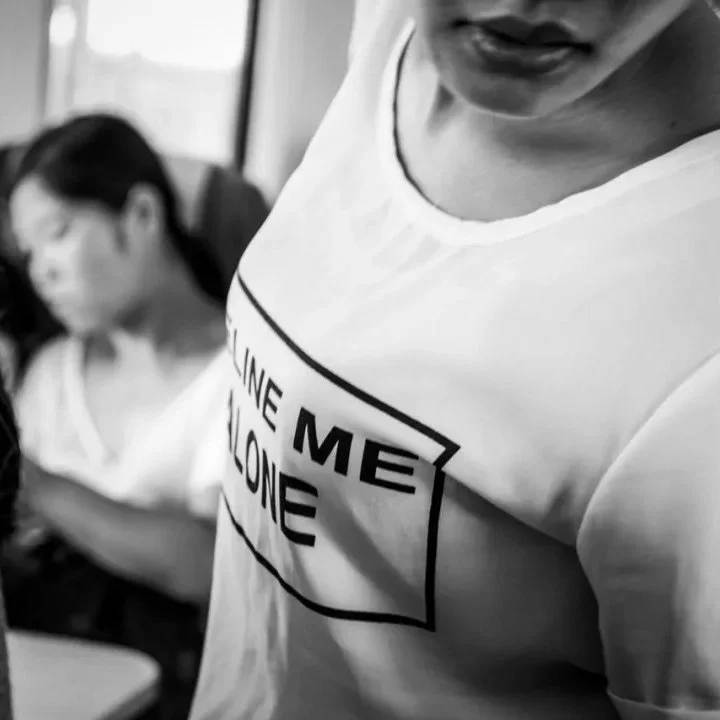
Linyi → Qufu, 2019.07.24 / K631 Rizhao ⇌ Xinyang
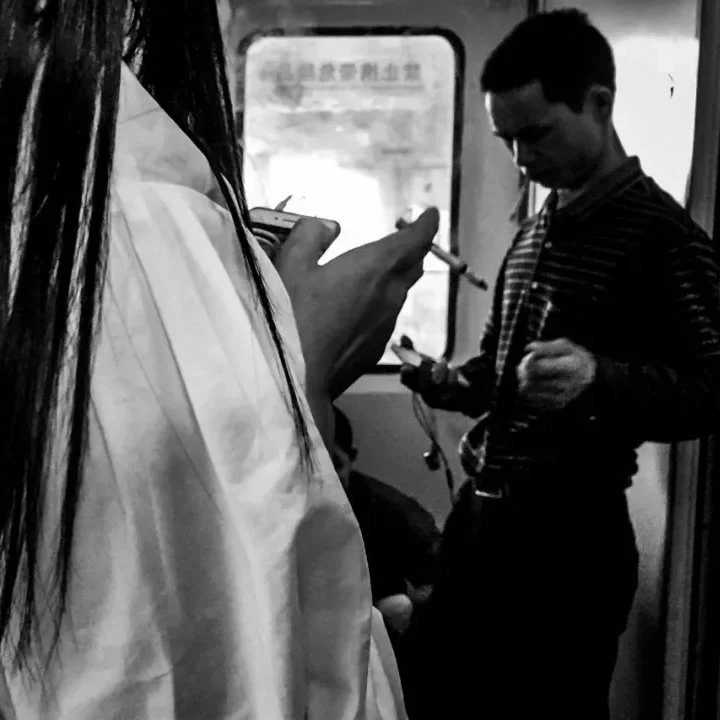
Shenzhen → Heyuan, 2017.03.18 / K34 Shenzhen ⇌ Suzhou
One memory from 2003 stayed with me for years.
I was nineteen, taking an overnight hard-seat train to Beijing during winter break. Across from me sat a young rural mother holding her baby son. The baby suddenly peed onto the floor and all over my shoes. She apologized awkwardly, and we started chatting. At some point she casually breastfed her crying son while we kept talking. The train carriage was overheated, noisy, slightly uncomfortable, but strangely intimate. I still remember the smell of warm milk mixed with sweat inside the crowded carriage.
Looking back now, I think experiences like that shaped the way I later understood closeness, privacy, and even relationships.
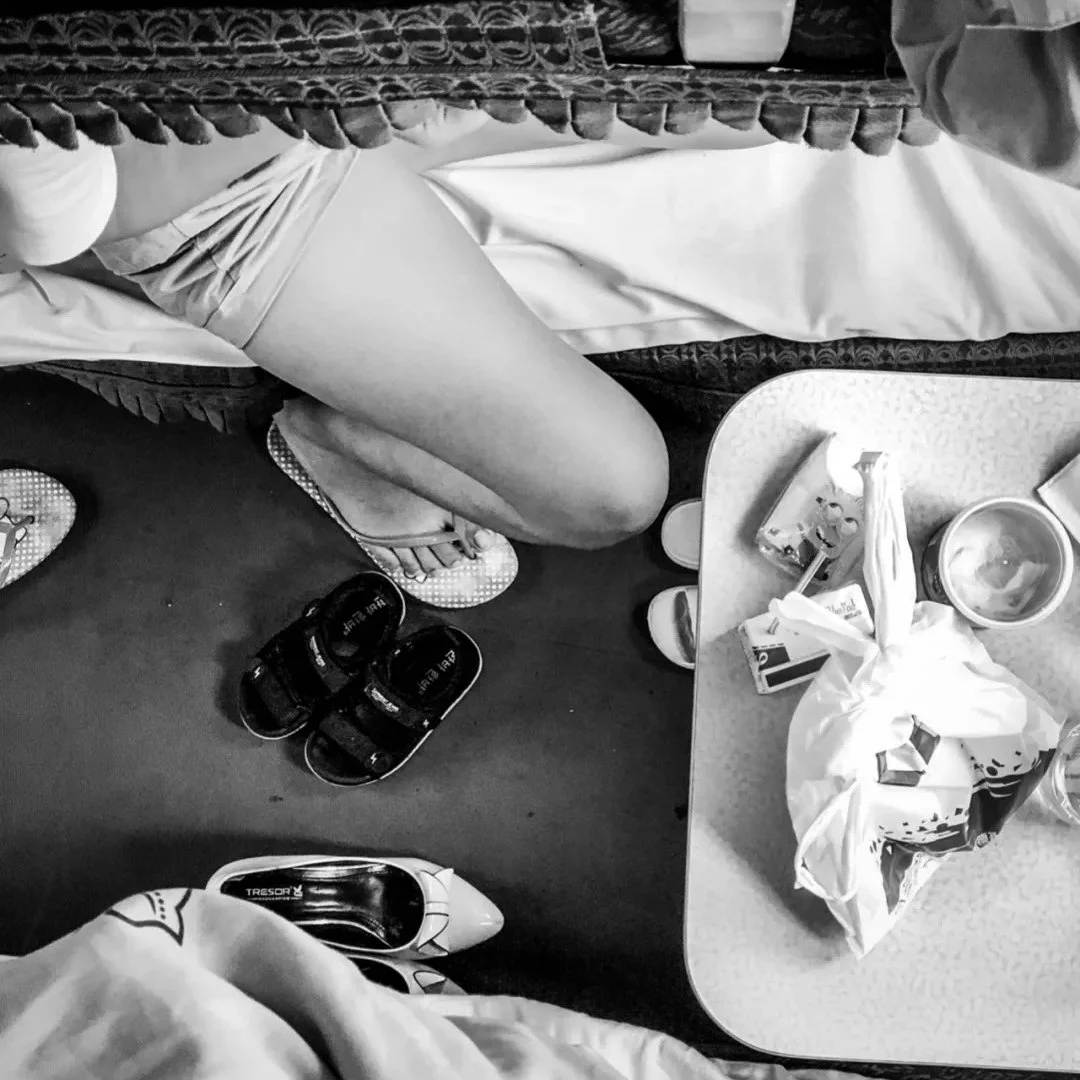
All photographs and original Chinese text by Cai Zhenxing. English adaptation prepared for portfolio and website presentation.